


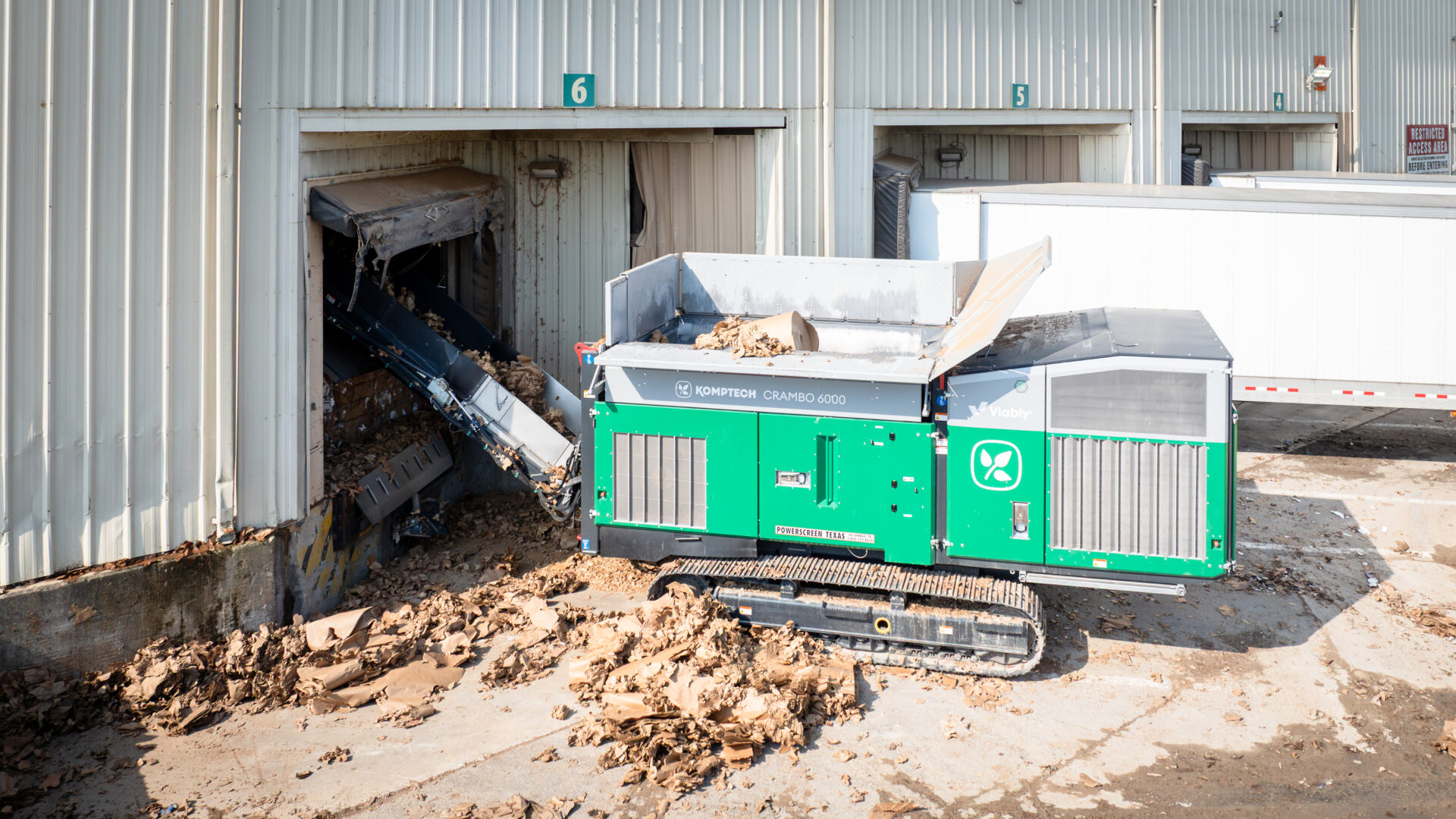
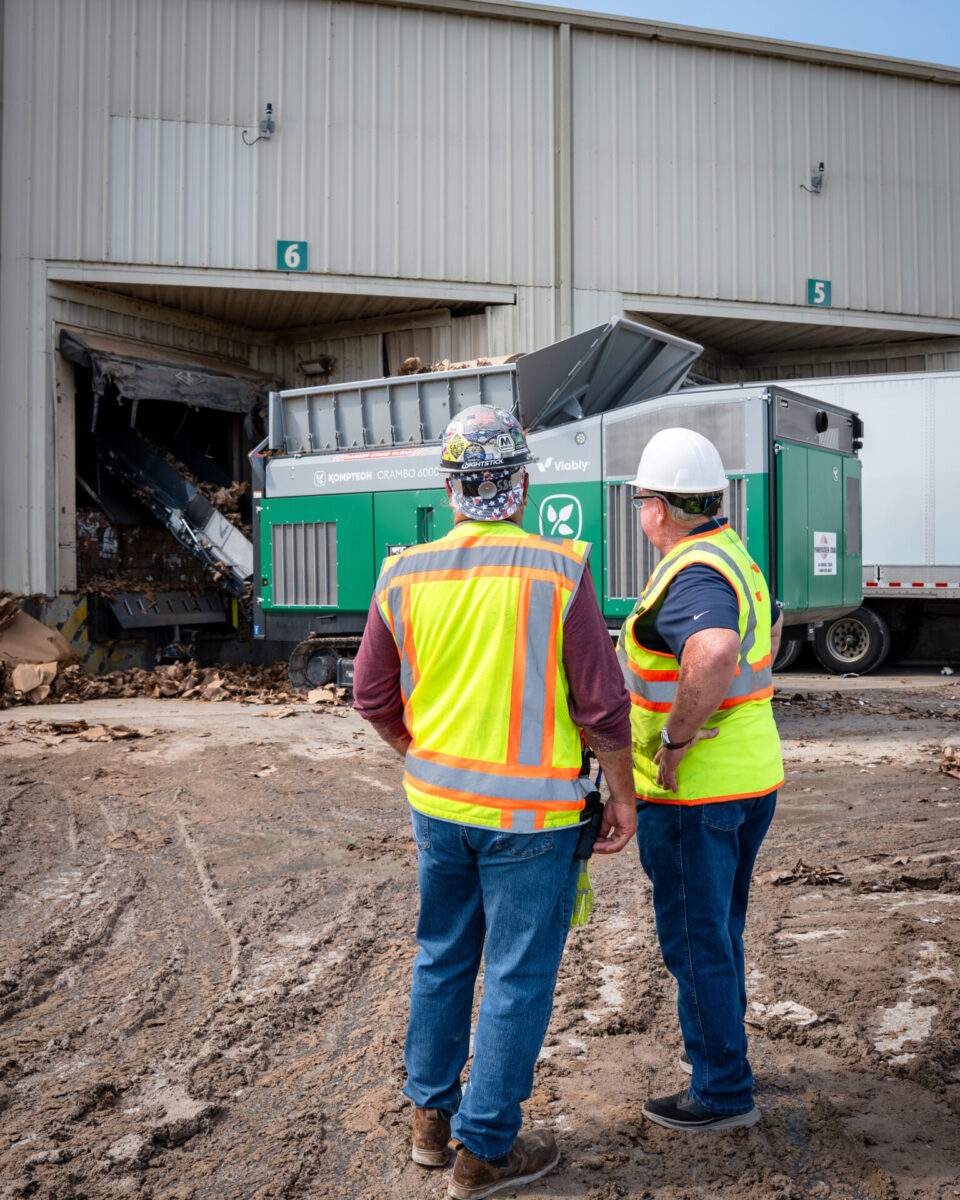
Meeting customer demand while keeping the team safe for International Paper. When their manual process wasn’t cutting it, the businesses needed to rethink their operations. With a little innovation from Powerscreen Texas using the Komptech Crambo 6000, they did exactly that.
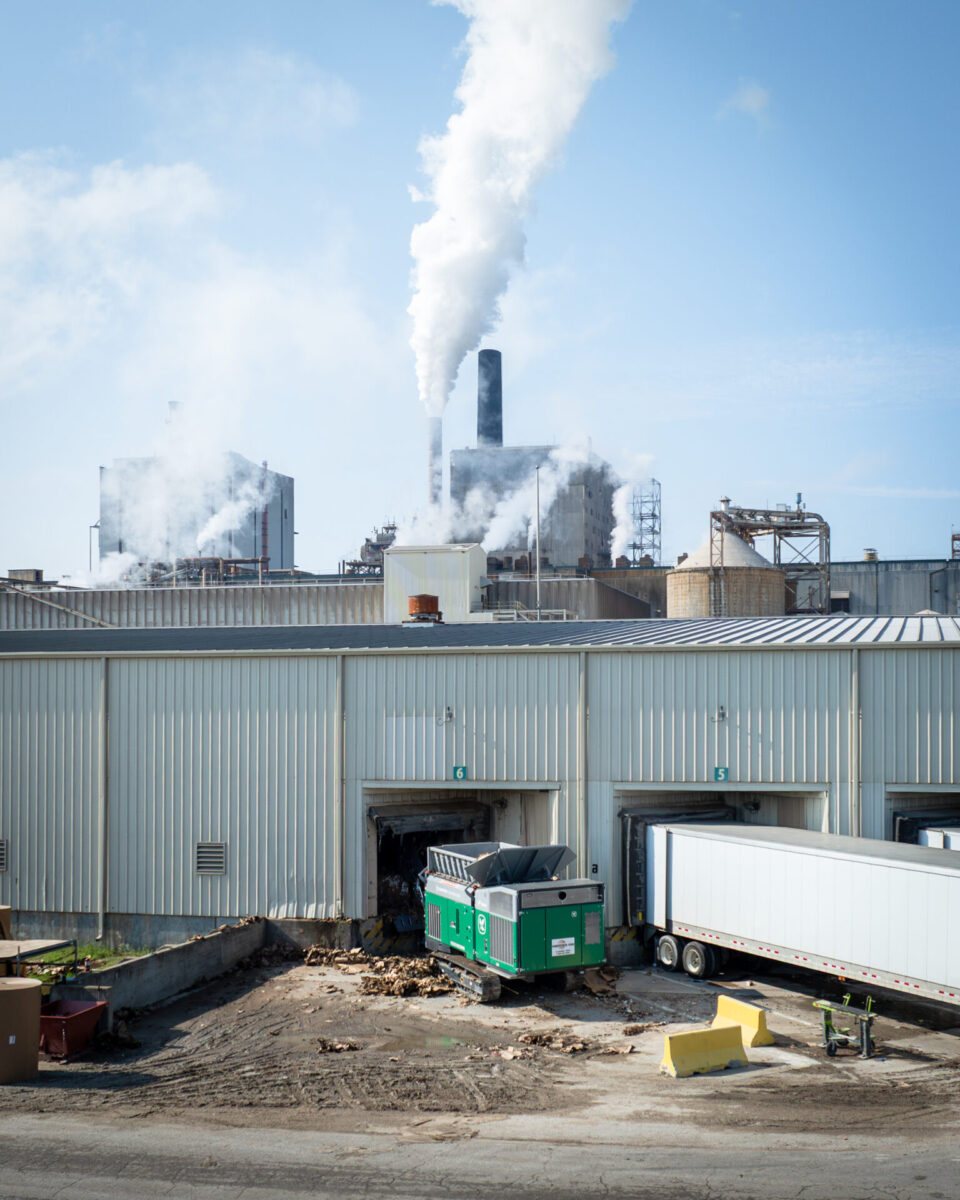
From recovering more than seven million tons of fiber waste to creating multiple types of packaging, International Paper supports businesses all around the world with fiber-based solutions. One of the biggest names in the global industry, the business looks very different to when it started 125 years ago. One of the main differences is its strong focus on innovation and sustainability.
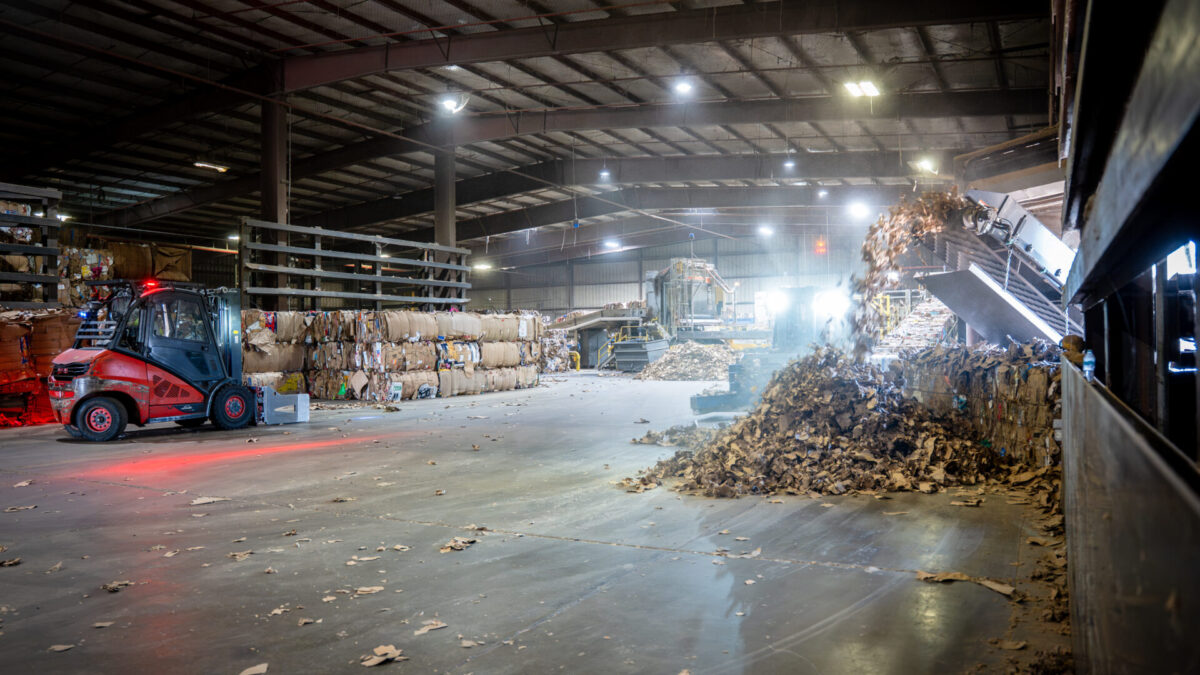
This is what drove a recent transformation at their Valliant, Oklahoma Plant. Here, the team receives recyclable fibers from customers across the state. This is shredded, processed and remanufactured into corrugated sheets which can then be bought and used for a range of packaging needs.
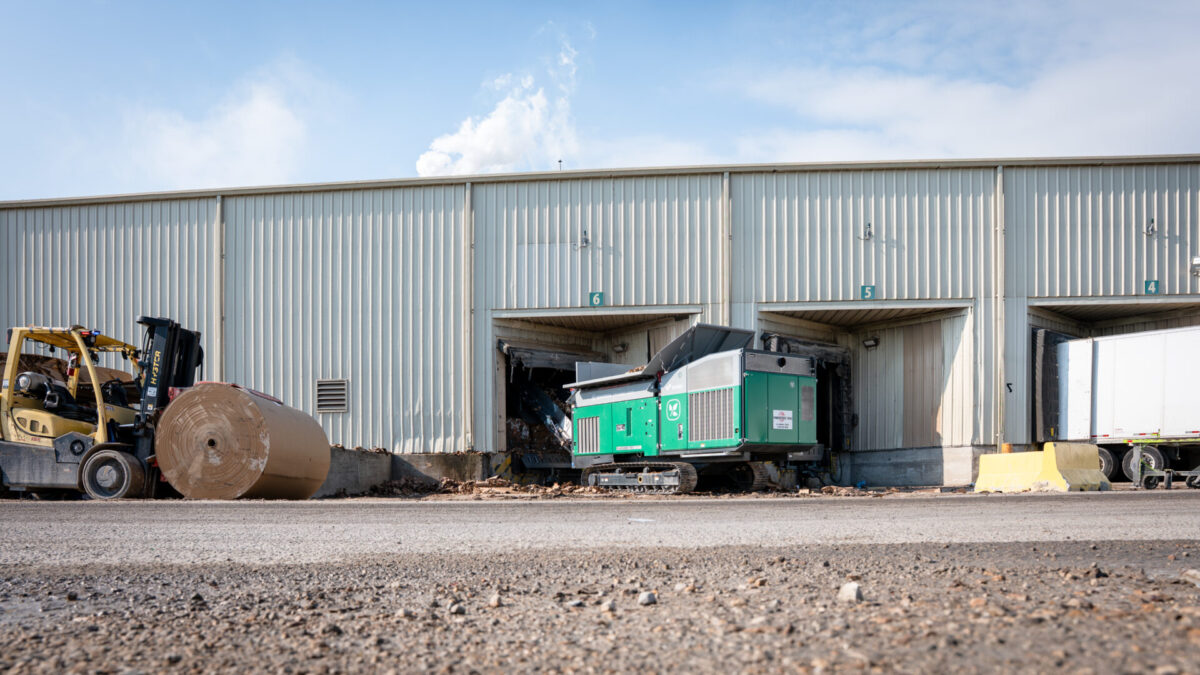
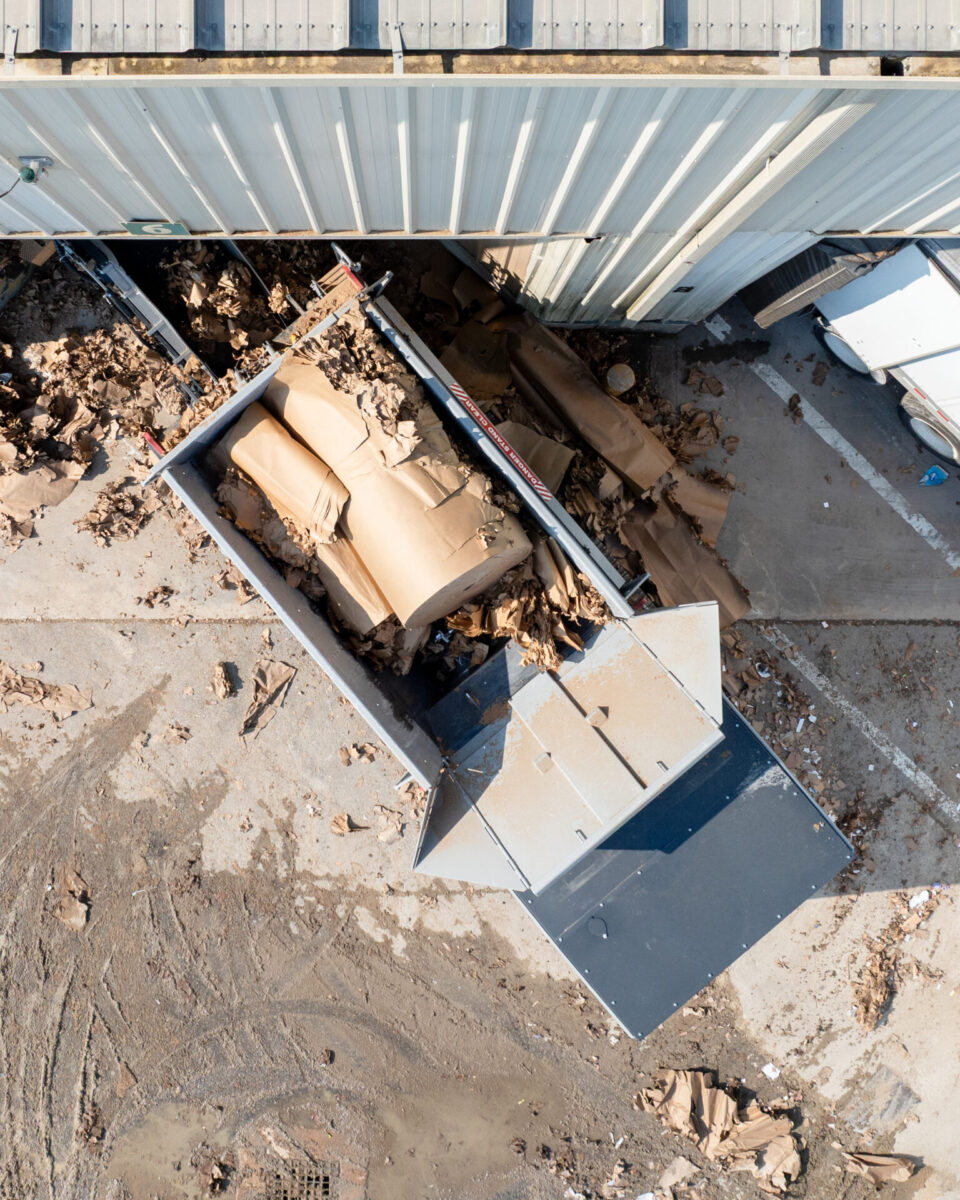
However, the team had a long-standing efficiency problem with their process. Paper cull rolls are rejected paper that is damaged or didn’t pass the final quality inspection. They need to be broken down and reintroduced into the paper mill for recycling or manufacturing. This stops this waste material going into landfill, which is important for the business’s sustainability goals.
Previously, this was being done with a shearing machine. This involved a lot of manual labor and a whole team of operators. Not only was the use of a blade risky, it was also very slow and didn’t break down the material adequately. To improve operational safety and efficiency, the site teams started to look into machines which could do this job more effectively.
Better output, fewer man hours
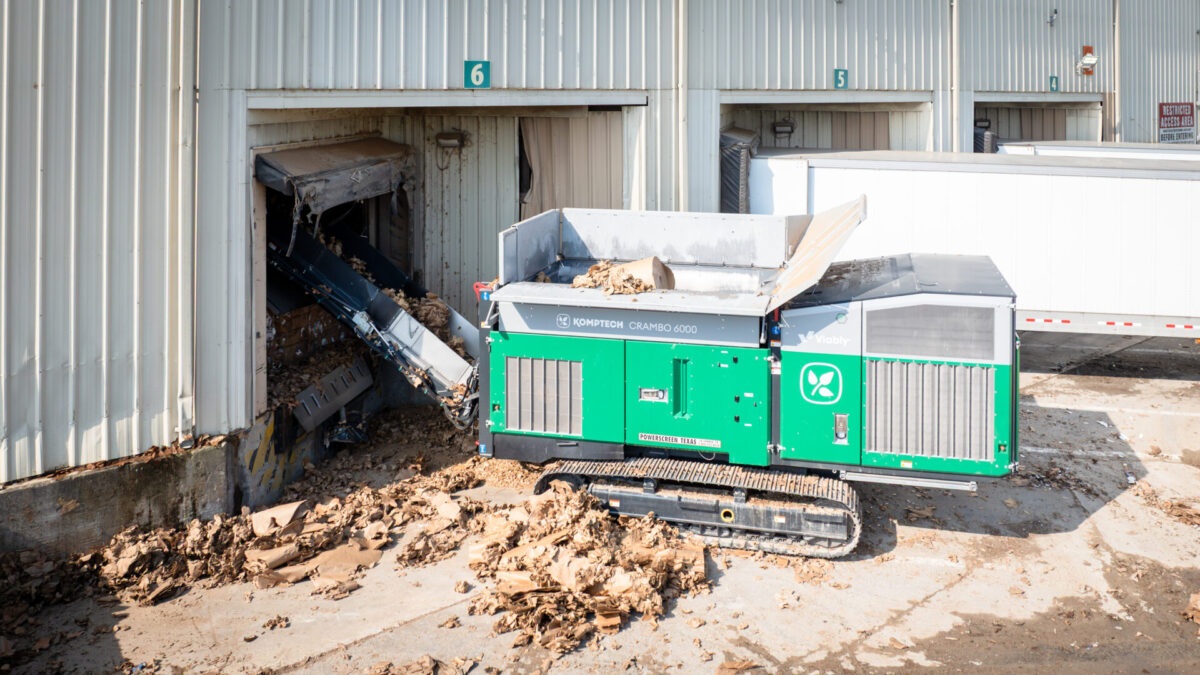
They turned to the Powerscreen Texas team for advice. Although paper mills hadn’t used machines in this way before, the dealer suggested the Komptech Crambo 6000 organic and wood waste shredder.
This was chosen because of its dual shaft design. This means it could pull on both sides of a cull roll to efficiently break down the material. A powerful CAT engine, 134 teeth and counter-rotating drums, as well as a load-dependent speed helps the team get through the 110-inch wide rolls efficiently with minimal blockages. This is helped by the hydraulic drive control, which automatically regulates rotation speed to maximize engine output and throughput.
The machine also has high fuel economy, consuming roughly 15 to 18 gallons of diesel per hour compared to between 30 and 50 gallons per hour consumed by high-speed grinders. With the teeth running for about 250 hours before requiring a change, compared to roughly 40 hours for high-speed alternatives, the machine has an extended wear life.
These features have significantly boosted the efficiency of International Paper’s processes. With the addition of the machine, the paper mill can take the shredded material right out of the unit and reintroduce it back into the paper making process without further processing. This has tripled output, meaning they can cut around 27 rolls a day compared to only ten previously.
Plus, nothing is done by hand, other than controlling the machine. Making the process much safer and more efficient for operators, a factor that’s very important for the business.
An innovative partnership
By having confidence in the Powerscreen Texas team, International Paper didn’t just enjoy increased productivity and efficiency in their sustainability processes, they made a big step forward in operational innovation.
Russ Miesch, Environmental Specialist for Powerscreen Texas, said, “What makes this project exciting is that it solved a long-standing challenge for the mill. The Komptech Crambo 6000 gave the team a more streamlined approach, allowing them to shred their material to the right size while improving overall operational efficiency.
“We presume that the other major names in the paper industry are also breaking down their rejected paper rolls manually. So this use case has potentially huge implications for the industry as a whole. We’re very grateful to International Paper for taking a leap and allowing us to innovate in this way. It’s potentially the start of something very exciting.”
 (979) 968-6428